Quick-build projects for safer streets
SGA's Complete Streets Leadership Academies in Alaska, California, Connecticut, and Tennessee supported local agencies and state DOTs to collaborate, innovate, and commit to making changes together to address safety on dangerous state-owned roads.
Read the report >>Smart Growth America empowers communities through technical assistance, advocacy and thought leadership to create livable places, healthy people, and shared prosperity. We work with elected officials at all levels, real estate developers, chambers of commerce, transportation and urban planning professionals, and residents to improve everyday life for people across the country through better development. Read more about our work >>
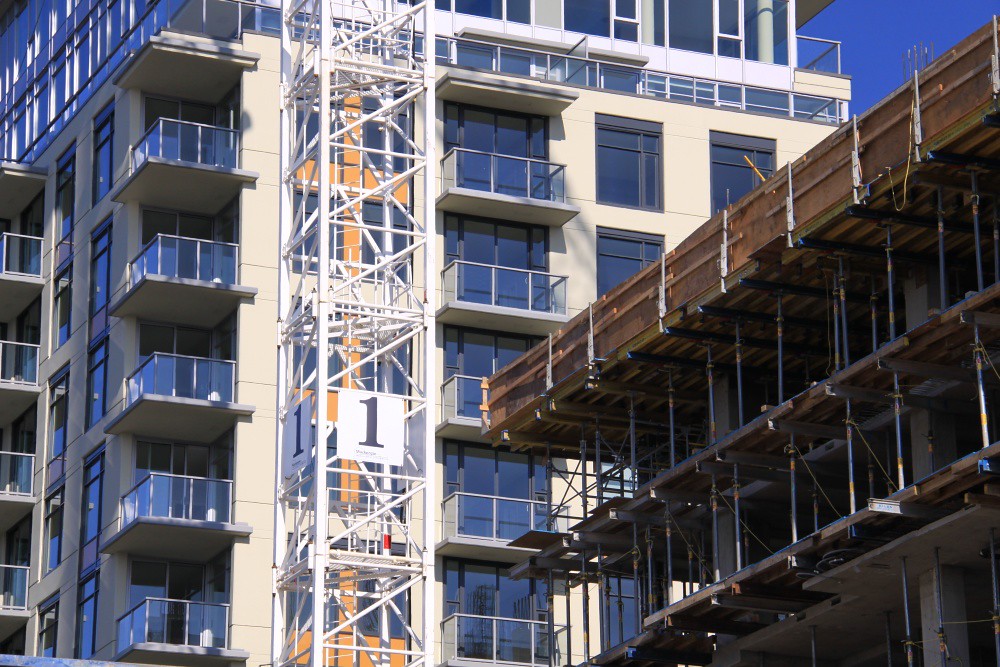
Recent decision leaves renters paying extra for electric vehicles
A little-known governing board pulled electric vehicle-readiness out of proposed future American building codes—a move that, until it is corrected, will create an increasing penalty for apartment living as cars go electric.
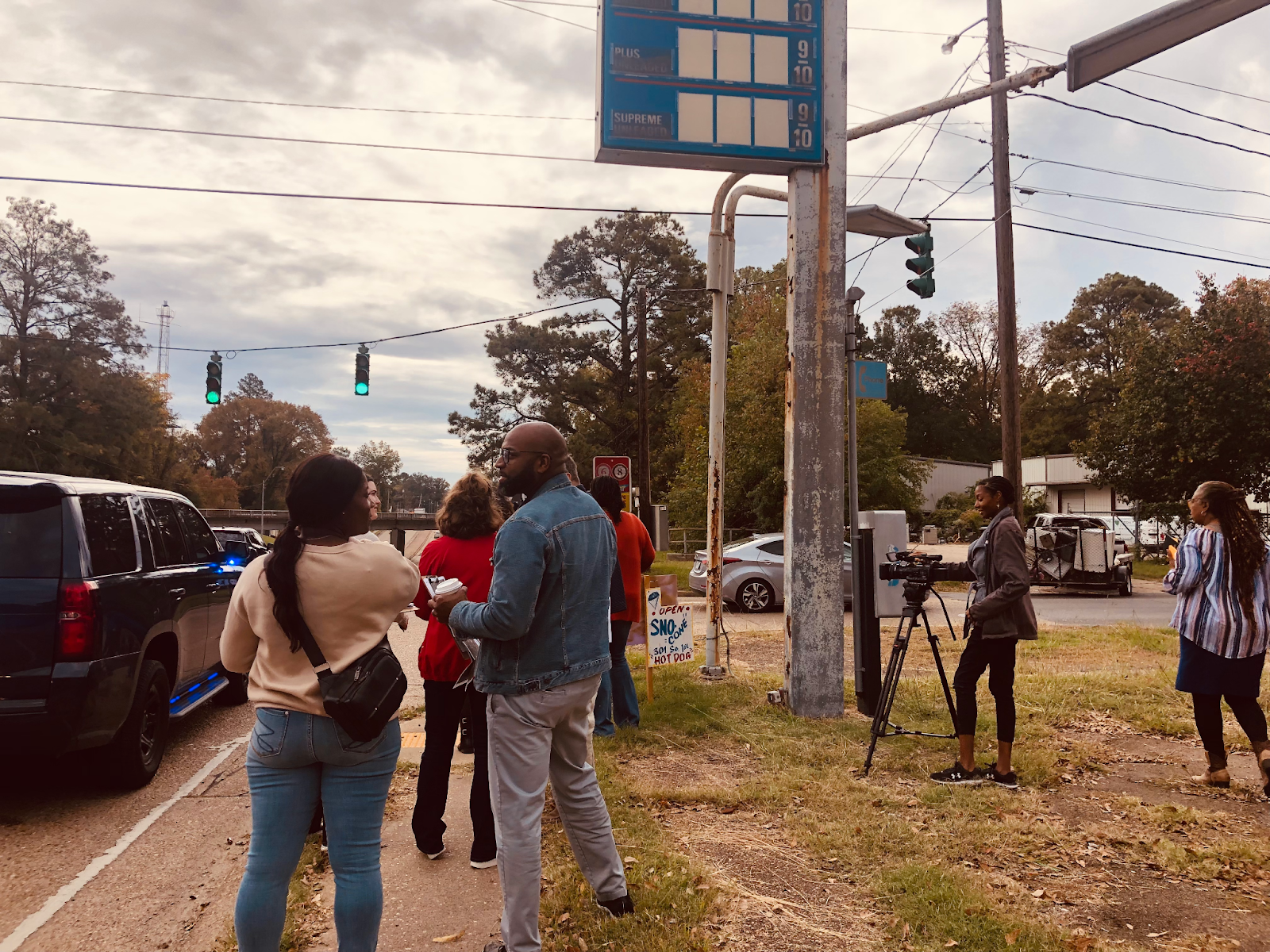
Benefits of Complete Streets: Monroe, Louisiana
Monroe, Louisiana, seeks to improve unsafe streets to benefit all users. City staff, community advocates, and the mayor are working to improve the design and conditions of the South 2nd Street corridor. Adopting Complete Streets principles and increasing access for all users can yield significant health, environmental, and economic benefits. Monroe is a city of … Continued